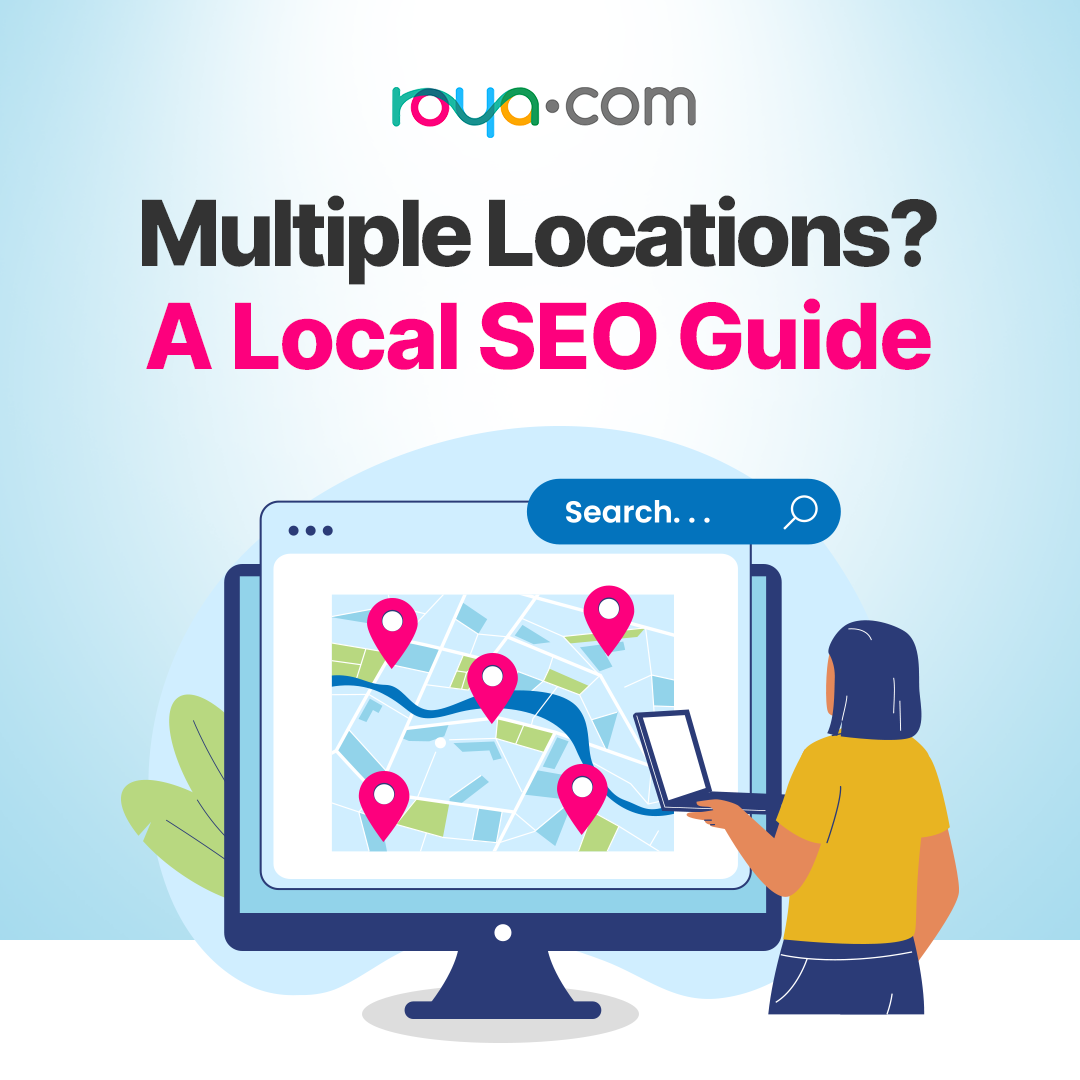


For a regional dental group or a multi-office eye care practice, growing your SEO comes with a unique and significant marketing challenge: resource allocation. When you have five, ten, or even fifty locations, maintaining a consistent and dominant local presence for each of your locations is about more than just keywords; it’s about managing your entire digital ecosystem with balance.
In 2026, Local SEO is all about managing your brand across every AI tool and search platform. If your SEO strategy between locations isn’t balanced, you risk losing rankings and the trust of both search engines and potential patients.
Here’s an overview on how to approach managing a multi-location Local SEO strategy that wins in our new era of AI and traditional search.
1. Establish NAP Consistency
The biggest SEO threat to a multi-location brand is NAP (Name, Address, Phone) inconsistency. In 2026, search algorithms, and especially AI models, are hypersensitive to conflicting data. If one directory says you close at 5:00 PM and another says 6:00 PM, your “trust signals” will drop.
Centralized Listing Management: Use a centralized citation management campaign to manage your data across all Google Business Profiles (GBP), Apple Maps, and Bing Places.
Google Business Profile Management: Leverage the latest GBP features like Bulk Posting, which allows you to share a single clinical update or promotion across all 20 of your locations with one click, while still maintaining each location's unique identity.
2. AI Search Optimization (GEO) for Every Location
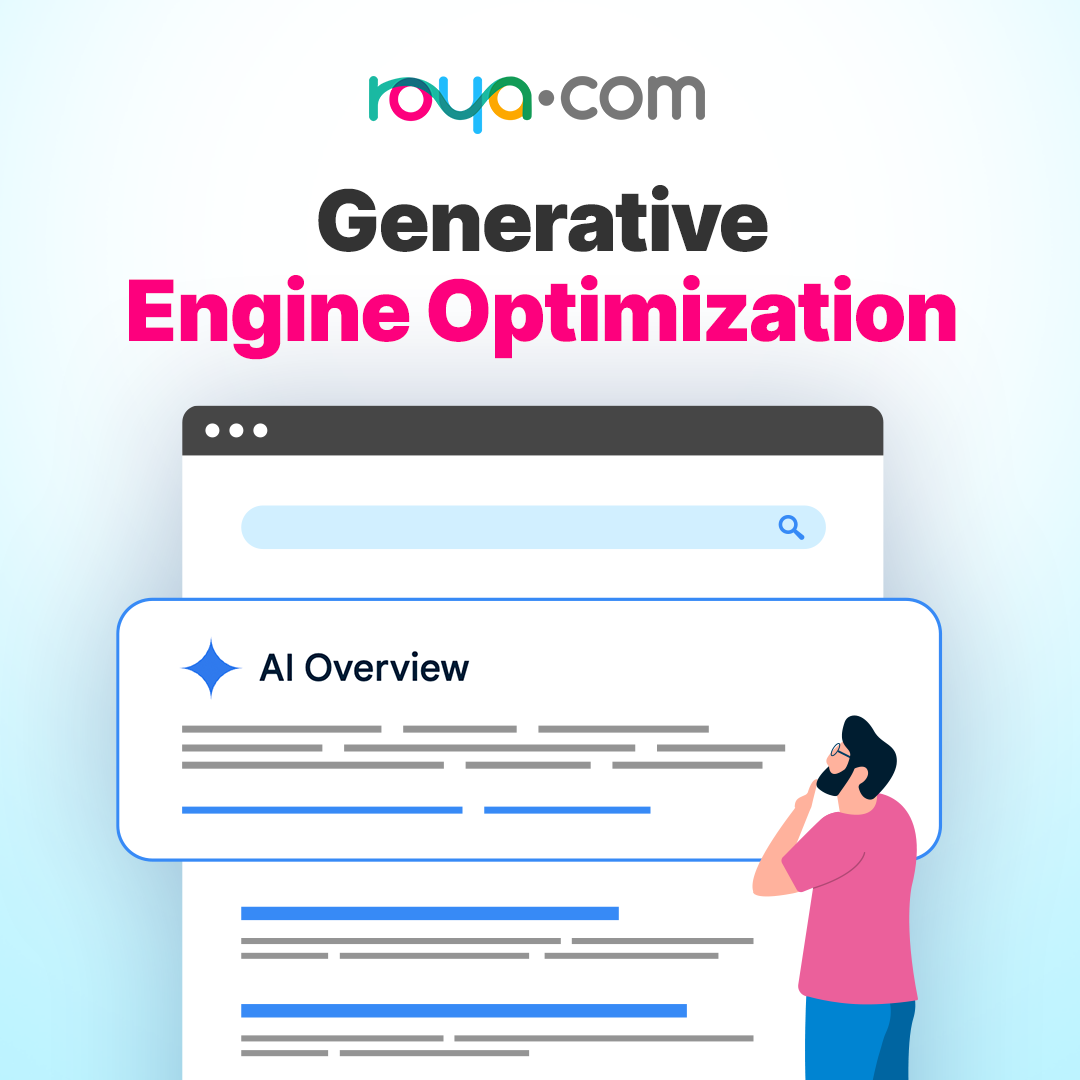
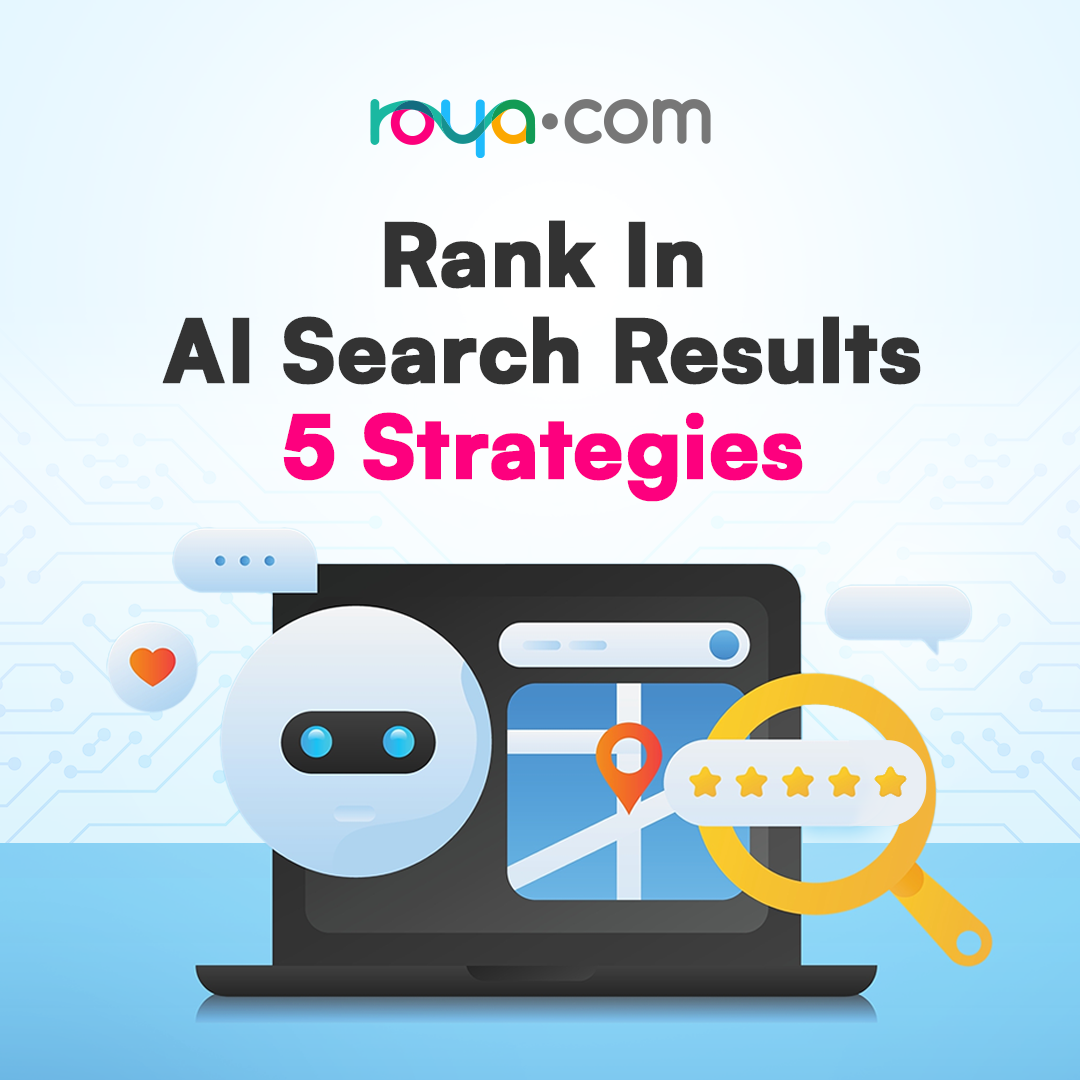
If you haven’t heard yet, your potential patients are searching in a lot of different ways now. Today, patients could ask their AI assistants, "Which [your brand] location has the best reviews for pediatric eye exams?" To win a search like this, your multi-location strategy must include Generative Engine Optimization (GEO).
To get your business (and the right location) cited by AI platforms like Gemini or ChatGPT, your data needs to be:
Semantically Rich & Specific: Don't just list "Dental Implants" for every location’s page. Describe the experience at each location. Does the Downtown office have a specific surgical suite? Does the Suburban office offer weekend consultations?
Structured Data: AI models need to understand that "Location A" and "Location B" are parts of the same central "Entity." Consistent branding paired with hyper-local structured data makes this connection clear.

3. Multi-Location Management Software
Managing thirty individual websites is a nightmare, but using a single generic template for thirty locations is an SEO death sentence.
Roya.com’s proprietary Canvas CMS platform is designed to handle the technical foundation for multi-location groups without the bloat of generic website builders:
Page Speed: Canvas allows you to make global brand updates and ensure that each individual location page will load in under three seconds. Speed is an essential ranking factor that generic multi-site setups struggle with.
Local Schema: Roya.com can hard-code LocalBusiness Schema for every location. This tells search engines and AI models exactly where each office is, what services are offered there, and which specific doctors are practicing at that location.
Internal Linking Microsites: A strong technical foundation creates a logical map for search engines to follow, connecting your main service pages to your specific location microsite pages.
4. Unique Custom Content
A common mistake for multi-location practices is creating identical cookie-cutter pages for every office location.
Each location page should be its own microsite featuring:
Original Photos: Replace stock photos with real photos of the specific office and the physical storefront.
Localized Reviews: Dynamically feed reviews from that specific location's Google profile onto its landing page.
Hyper-Local Content: Mention nearby landmarks or transit stops on each page. This doesn't just help patients find you; it reinforces the specific geographic relevance to search algorithms.
Multi-Location Local SEO Checklist for 2026
If you are managing more than one office location, use this checklist to ensure your brand is maximizing its SEO potential for every location:
Do all location Google Business Profiles share the same primary Business Category (e.g., "Optometrist") while using specific secondary categories for their specialties?
Is every location page on your website optimized for mobile speed (the 3-second rule)?
Are you using a website software platform like Canvas CMS to manage your technical SEO needs at scale?
Does each location have a strategy to capture a consistent stream of fresh reviews?
Is your NAP data 100% identical across GBP and your website?
Is your website using structured data, like schema markup?
Managing Local SEO for multiple locations is a balancing act between brand consistency and local relevance. By focusing on a strong technical foundation and AI-optimized content, you can ensure that every location of your practice is the first choice in its local market.
Is your multi-location brand struggling with inconsistent rankings or slow site performance?